Preparing Your Asphalt Surface for Professional Sealing
Preparing your asphalt surface for professional sealing involves cleaning and repairing cracks, and local contractors can efficiently handle these essential steps to ensure a durable, long-lasting seal.
If you’re considering professional sealing for your asphalt surface, understanding how to prepare it properly is an essential first step. Property owners in the area often find that a well-prepared surface not only enhances the appearance of their driveway or parking lot but also helps ensure the sealing process provides long-lasting results. Proper preparation can include cleaning away debris, fixing minor cracks, and making sure the surface is dry-steps that local contractors frequently recommend to achieve the best possible outcome. Exploring these practical measures can help you make the most of the sealing process and protect your investment.
Many local service providers who specialize in asphalt sealing emphasize the importance of surface preparation as part of their overall approach. By working with experienced contractors, property owners can facilitate a smoother sealing application, reducing the risk of issues like peeling or uneven coverage later on. Whether you’re preparing a residential driveway or a commercial lot, understanding what’s involved in readying your asphalt surface can lead to better results and a longer-lasting seal. Keep reading to learn more about how local pros can assist with preparing your asphalt for professional sealing and help you achieve a durable, attractive finish.
- Crack Repair - homeowners needing to address existing cracks before sealing can rely on local contractors to properly fill and prepare the surface.
- Surface Cleaning - preparing your asphalt surface for professional sealing often involves thorough cleaning to remove debris, which local service providers handle efficiently.
- Pothole Filling - if potholes are present, local pros can repair these areas to ensure a smooth, sealed surface that prevents further damage.
- Surface Inspection - assessing the condition of the asphalt helps identify areas needing repairs or preparation, with local contractors providing expert evaluations.
- Drainage Assessment - ensuring proper drainage is crucial before sealing; local service providers can evaluate and address any issues to protect the asphalt surface.
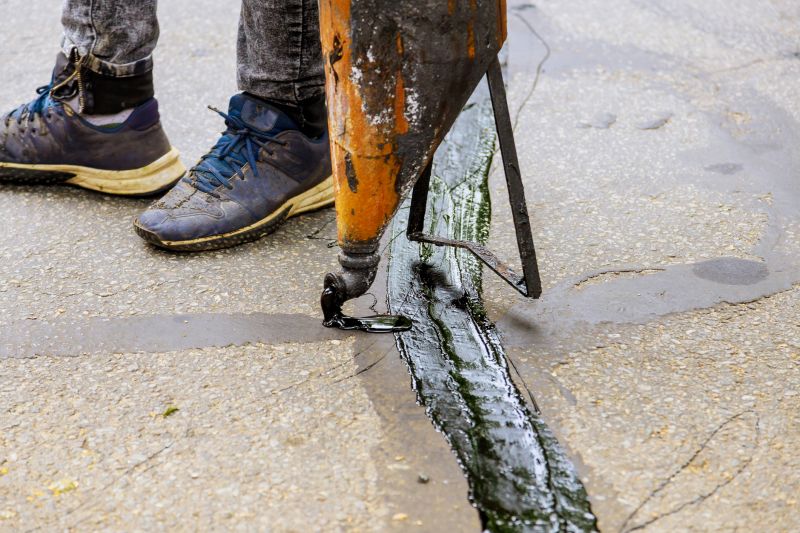
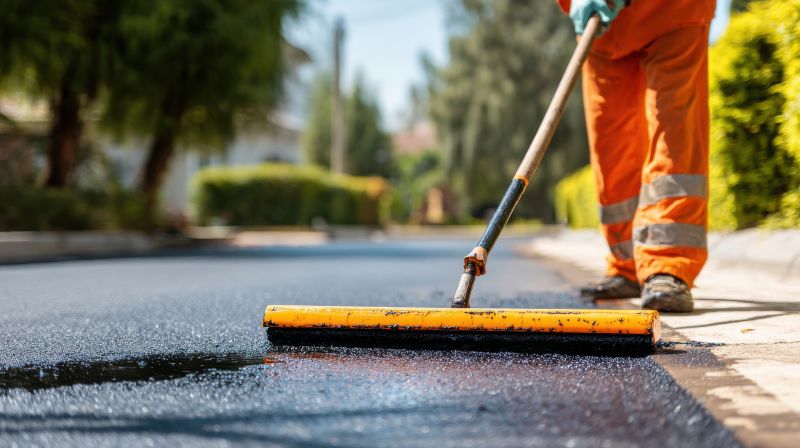
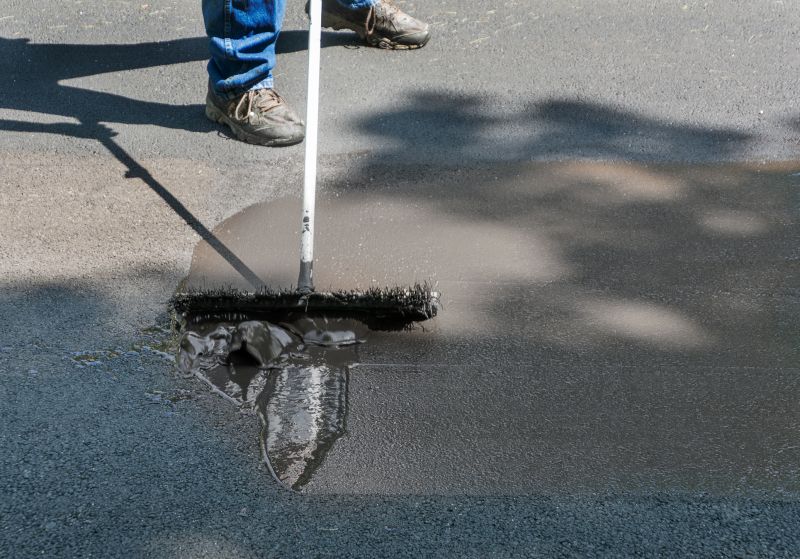
When people search for preparing their asphalt surface for professional sealing, they are often looking for guidance on how to get their driveway or parking lot ready for a sealing project. This process is an essential step to ensure the sealant adheres properly and provides long-lasting protection. Homeowners and property managers typically want to understand what cleaning, repairs, or surface treatments are necessary before sealing begins. They are interested in practical advice that helps avoid common issues like peeling, cracking, or uneven application, which can compromise the effectiveness of the sealant and lead to the need for premature repairs.
Preparing an asphalt surface for sealing relates closely to addressing existing problems and planning for future maintenance. Common issues include cracks, potholes, and surface deterioration that can affect the sealing process. Proper preparation involves cleaning away debris, dirt, and oil, as well as repairing any surface damage to create a smooth, stable foundation. Property owners often consider whether their asphalt needs patching or crack filling before sealing to prevent water infiltration and further deterioration. These steps are crucial for extending the lifespan of the asphalt and maintaining the property's curb appeal, especially on commercial parking lots, residential driveways, or shared community spaces.
The types of properties that typically come up when discussing preparing asphalt for sealing are varied but generally include residential driveways, commercial parking lots, and private or public access roads. Driveways are a common focus for homeowners wanting to improve the appearance and durability of their property. Commercial properties often seek sealing to protect large parking areas that experience heavy traffic. Additionally, community spaces such as apartment complexes, retail centers, and municipal roads may also require surface preparation to ensure the longevity of their asphalt surfaces. Local contractors specializing in asphalt sealing are experienced in handling these different property types, providing tailored advice and services to meet each project's specific needs.
Understanding the importance of proper surface preparation helps property owners recognize how essential it is to work with experienced service providers. Local asphalt sealing contractors can assess the condition of the surface, recommend necessary repairs, and perform thorough cleaning to prepare the asphalt for sealing. They ensure that the surface is free of loose debris, oil stains, and cracks that could undermine the sealant’s effectiveness. By partnering with these professionals, property owners can help ensure their asphalt surfaces are properly prepared, which ultimately leads to a more durable, attractive, and well-maintained surface that withstands the elements and regular use.
Pothole Repair - fixing potholes involves surface preparation skills similar to those needed for sealing, ensuring a smooth and durable finish on asphalt surfaces.
Asphalt Crack Filling - preparing cracks properly before filling aligns with the surface prep work required prior to sealing to prevent future damage.
Driveway Resurfacing - resurfacing projects require surface cleaning and preparation, making them closely related to the steps involved in sealing asphalt.
Paving and Repaving - laying new asphalt or repairing existing pavement involves surface prep skills that are essential for effective sealing preparation.
Sealcoat Removal and Surface Cleaning - removing old sealcoat and cleaning surfaces are key prep steps that ensure proper adhesion of new sealant layers.
Surface Leveling and Patchwork - leveling uneven areas and patching cracks are foundational tasks that support successful asphalt sealing projects.
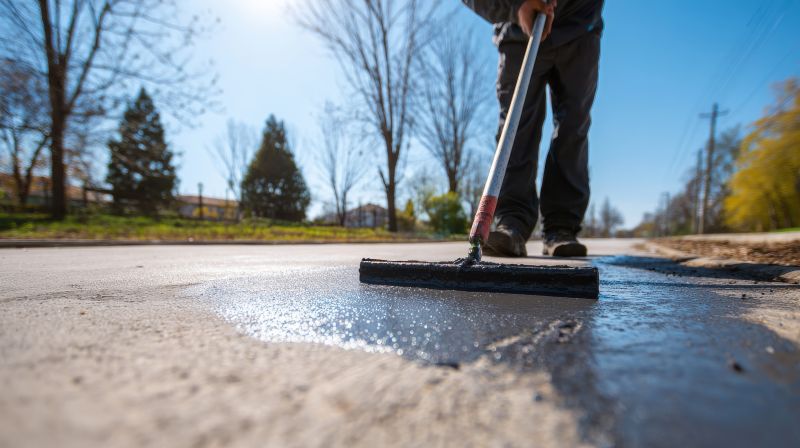
When evaluating local contractors for preparing your asphalt surface for professional sealing, it’s important to consider their experience with similar projects. Contractors who have handled asphalt surfaces comparable in size, condition, and location are more likely to understand the specific requirements for a successful sealing process. Asking for details about their past work can provide insight into their familiarity with preparing different types of asphalt surfaces, ensuring they have the practical knowledge needed to deliver quality results.
Clear, written expectations are essential when comparing service providers. A reputable contractor should be willing to outline the steps involved in preparing your asphalt for sealing, including surface cleaning, repairs, and any necessary surface treatments. Having these details in writing helps establish a shared understanding of the scope of work, timelines, and responsibilities, reducing the likelihood of misunderstandings or surprises during the project.
Reputable references and effective communication are key indicators of a reliable service provider. Contractors who can provide references from previous clients demonstrate transparency and a track record of successful projects. Good communication-whether through prompt responses to inquiries or clear explanations of procedures-helps ensure that expectations are aligned and that any questions or concerns are addressed throughout the process. This level of professionalism can contribute to a smoother project experience and a more satisfactory outcome.
Property owners often search for preparing your asphalt surface for professional sealing when they are planning practical projects around their homes and businesses. Local pros provide Asphalt Sealing services for everyday jobs and straightforward project options.
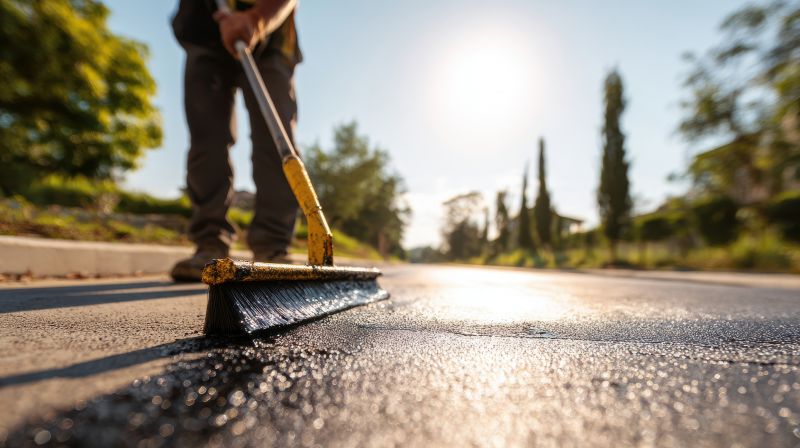
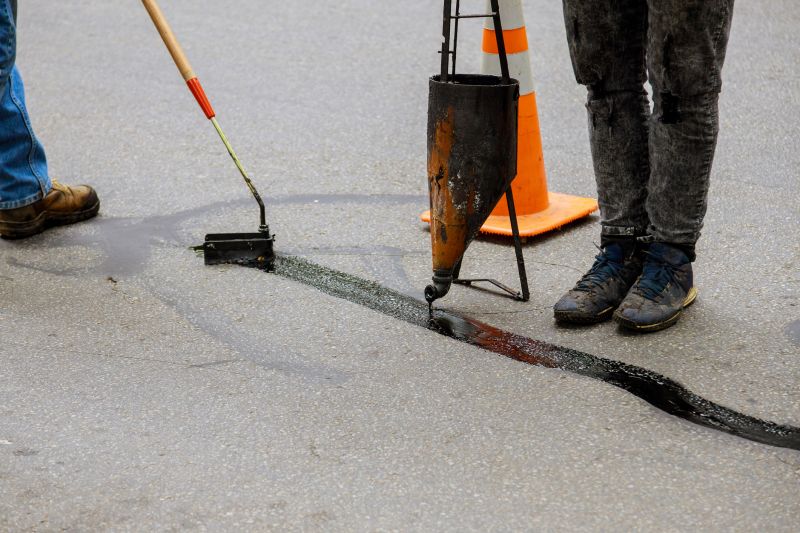
Preparing your asphalt surface for professional sealing is an important step that property owners often consider to ensure a smooth and lasting finish. Common situations include noticing cracks, surface wear, or the presence of debris on driveways and parking areas, which can impact the effectiveness of the sealant. Local contractors can assist in assessing the condition of the asphalt, recommending necessary repairs, and properly cleaning the surface to help achieve the best results when sealing.
Many property owners seek out asphalt sealing services to protect their investment and improve curb appeal. Proper preparation, such as fixing cracks and removing loose materials, is crucial for a successful sealing project. Local service providers are experienced in handling these preparatory steps, making it easier for property owners to get their asphalt surfaces ready for sealing and enjoy a durable, attractive finish.
What debris should be removed before sealing an asphalt surface? It is important to clear away loose dirt, leaves, and any debris that could interfere with the sealing process. Local contractors often recommend sweeping the surface thoroughly to ensure proper adhesion of the sealant.
How can I identify cracks or damage that need repair before sealing? Inspect the asphalt for visible cracks, potholes, or surface deterioration. Professional service providers can assess the condition and recommend repairs to ensure the sealing is effective and long-lasting.
Is it necessary to remove oil or stains before sealing asphalt? Yes, oil and other stains can prevent the sealant from adhering properly. Local pros typically advise cleaning these areas with appropriate cleaning agents to prepare the surface adequately.
Should the asphalt surface be dry before sealing? Absolutely. Moisture can affect the sealing process, so it is best to ensure the surface is completely dry. Many local contractors recommend scheduling sealing when the weather is dry and warm.
What equipment or tools are used to prepare an asphalt surface for sealing? Preparation usually involves sweeping tools, pressure washers, and crack repair materials. Service providers have the necessary equipment to properly prepare the surface for optimal sealing results.
Clearing debris and loose materials - removing leaves, dirt, and gravel ensures a smooth surface for sealing and helps prevent future damage.
Fixing cracks and potholes - addressing surface imperfections with patching materials creates an even base, promoting better adhesion of the sealant.
Ensuring proper drainage - evaluating and improving drainage around the asphalt prevents water pooling, which can compromise the sealing process.
Scheduling professional surface assessment - having local contractors evaluate the condition of the asphalt helps identify necessary repairs before sealing begins.
If you are thinking about preparing your asphalt surface for professional sealing for a property, this guide is meant to help you understand this topic, the typical project types, and how different options might fit your plans.
When you are ready, you can use the quote form on this page to share a few details about your project. From there, local pros can review the basics and follow up with options that match what you have in mind.